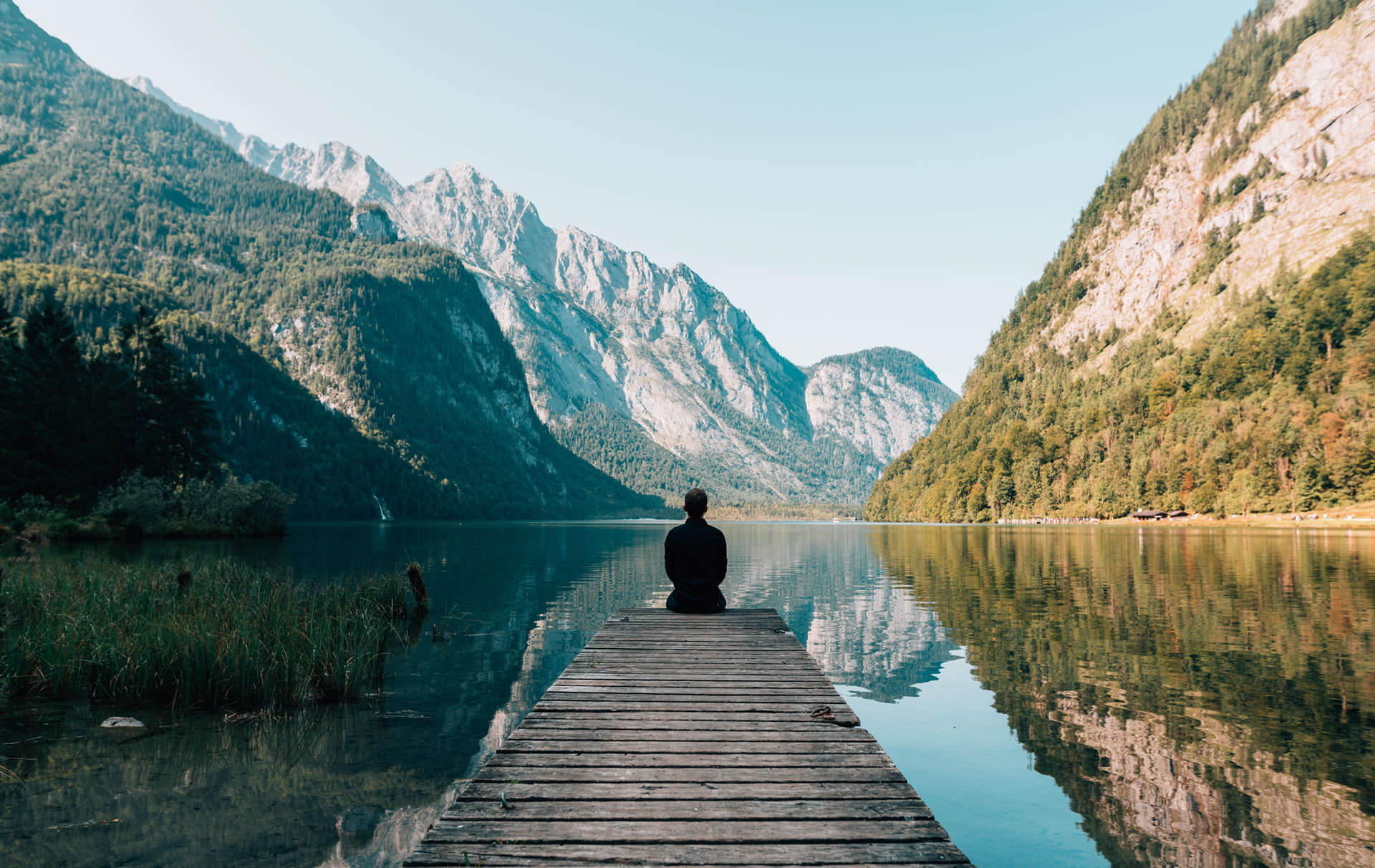
When students are burdened with numerous academic tasks and assignments, they often find themselves seeking assistance with “custom writing service” or “coursework writing service” with request ” write my essay”. However, amidst the academic stress, it’s crucial to find moments of respite and reconnect with nature. Van Cortlandt Park, nestled in the Bronx, New York, offers a much-needed escape from the rigors of student life. Spanning over 1,146 acres, this park not only serves as a natural haven but also provides a wealth of opportunities for recreation, education, and community engagement. In this article, we will explore the wonders of Van Cortlandt Park and understand why it is an essential destination for both students and nature enthusiasts.
A Brief History:
Van Cortlandt Park offers a fascinating respite in the form of its rich history. The park takes its name from the prominent Van Cortlandt family, who were among the earliest European settlers in the area. The family’s lineage can be traced back to the Dutch colonial period, when Jacobus Van Cortlandt, a successful merchant, acquired the land in 1699. Over time, the Van Cortlandts played an influential role in the development of the Bronx, and their estate grew to encompass the area that now constitutes the park.
In 1888, the City of New York purchased the land from the Van Cortlandt family with the intention of creating a public park. The park’s initial design was spearheaded by the renowned landscape architect Frederick Law Olmsted Jr., whose father co-designed Central Park. Olmsted Jr.’s vision was to create a space that preserved the park’s natural landscape while providing recreational amenities for the growing urban population.
Natural Features and Biodiversity:
One of the defining characteristics of Van Cortlandt Park is its rich natural diversity. The park’s landscape features a mix of forested areas, open meadows, wetlands, and water bodies, all of which provide a habitat for a wide variety of flora and fauna. The park’s forested sections consist mainly of oak, hickory, and tulip trees, creating a vibrant canopy that provides shade and a sense of tranquility. These wooded areas are home to numerous bird species, including red-tailed hawks, woodpeckers, and various migratory birds.
The park is also home to Tibbetts Brook, a freshwater stream that winds its way through the park’s southern section. The brook not only adds to the park’s aesthetic charm but also supports a diverse aquatic ecosystem. It serves as a spawning ground for fish such as trout and is home to various reptiles, amphibians, and insects.
Additionally, Van Cortlandt Park boasts several large grassy fields and meadows that provide habitats for small mammals, including rabbits, squirrels, and raccoons. These open spaces also attract a range of bird species, such as sparrows, finches, and warblers. The park’s wetlands, including its marshy areas and the Van Cortlandt Lake, support a wealth of plant and animal life, including waterfowl, turtles, and aquatic plants.
Recreational Activities:
Van Cortlandt Park offers an extensive array of recreational activities for people of all ages and interests. Whether you enjoy hiking, running, birdwatching, or team sports, this park has something to offer everyone.
Hiking and Nature Trails:
The park features numerous trails that wind through its woodland areas, providing a serene escape from the city’s hustle and bustle. The Old Croton Aqueduct Trail, a historic pathway that runs through the park, offers a picturesque route for walkers, joggers, and cyclists. The John Kieran Nature Trail, named after the renowned naturalist, is another popular option for nature enthusiasts. This trail provides educational signage and markers, allowing visitors to learn about the park’s ecology as they explore.
Equestrian Center:
Van Cortlandt Park is home to one of the last remaining equestrian facilities in New York City. The Van Cortlandt Park Equestrian Center offers horseback riding lessons, guided trail rides, and boarding services. Horse lovers can enjoy a leisurely ride through the park’s scenic trails and experience the serenity of nature from a different perspective.
Sports Facilities:
The park is a haven for sports enthusiasts, with an abundance of fields and courts for various activities. Van Cortlandt Park boasts numerous baseball diamonds, soccer fields, tennis courts, and basketball courts. These facilities are often bustling with athletes and teams engaged in friendly competition, creating a vibrant and energetic atmosphere.
Golf Course:
Golf enthusiasts can indulge in their passion at the Van Cortlandt Golf Course, a public 18-hole course that is one of the oldest in the country. Surrounded by beautiful trees and undulating fairways, this course offers a challenging and enjoyable experience for players of all skill levels.
Cultural Landmarks:
Beyond its natural beauty and recreational opportunities, Van Cortlandt Park is home to several notable cultural landmarks that provide a glimpse into its rich history.
The Van Cortlandt House Museum: Located within the park, the Van Cortlandt House Museum is a Georgian-style mansion that dates back to the 18th century. This historic house was once the residence of the Van Cortlandt family and now serves as a museum, showcasing period furniture, artwork, and exhibits that highlight the colonial history of the region. Visitors can explore the elegant rooms and learn about the Van Cortlandts’ contributions to the Bronx’s development.
The Friends of Van Cortlandt Park: This non-profit organization works tirelessly to preserve and enhance the park for the community. The Friends of Van Cortlandt Park collaborate with volunteers, local organizations, and government agencies to advocate for the park, organize clean-up initiatives, offer educational programs, and maintain the park’s trails and green spaces. Their dedication helps ensure that future generations can continue to enjoy the park’s natural beauty and recreational opportunities.
Community Engagement and Education
Van Cortlandt Park serves as an invaluable educational resource for the local community. The park hosts a range of educational programs and workshops that promote environmental awareness and conservation. These initiatives actively engage visitors, particularly schoolchildren, in hands-on learning experiences, fostering a sense of stewardship towards nature. The Van Cortlandt Park Conservancy, a non-profit organization dedicated to preserving and enhancing the park’s natural features, plays a vital role in ensuring that the park remains a vibrant and accessible space for all.
In the midst of academic struggles, Van Cortlandt Park stands as a sanctuary, a space to rejuvenate, and a testament to the harmonious coexistence of urbanization and nature. Its historical significance, diverse ecosystems, recreational opportunities, and community engagement initiatives make it an essential destination for both students seeking respite from academic pressures and nature enthusiasts in search of tranquility. So, the next time the burdens of academia weigh heavily, remember the solace and serenity that await in Van Cortlandt Park. Take a moment to immerse yourself in its beauty and find solace in the natural wonders it offers.